The Future of Marketing Technology: How Innovation Will Redefine Customer Engagement
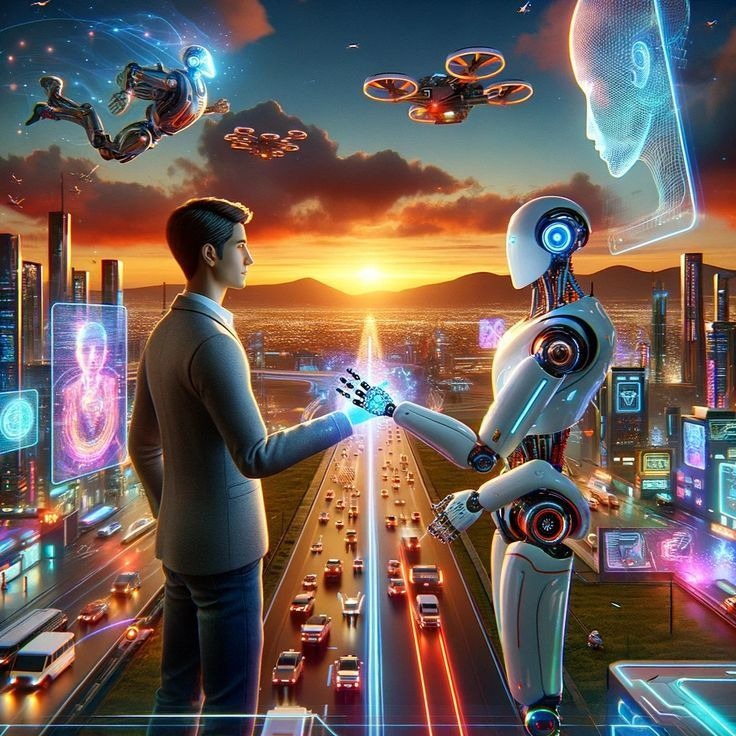
Marketing technology (MarTech) is changing faster than ever. What once relied on intuition, manual work, and traditional media is now a data-driven, AI-powered system that can predict customer behavior, personalize experiences in real time, and automate complex processes. As businesses dive deeper into the digital age, marketing technology has shifted from being a support function to the backbone of modern marketing strategies.The future of marketing technology will feature intelligent automation, data analysis, artificial intelligence, and smooth customer experiences across multiple channels. Brands that embrace these changes will gain a competitive advantage, while those that resist may fall behind in a tech-driven market.
This blog looks at how marketing technology will change, the key trends shaping its future, and what businesses need to do to stay ahead.
The Evolution of Marketing Technology
To understand the future, we must look at the history of marketing technology. Early MarTech tools focused on basic tasks like email marketing, website analytics, and customer databases. Over time, these tools developed into advanced platforms that bring together customer relationship management (CRM), marketing automation, social media management, and performance analytics.Today, the marketing technology landscape features thousands of tools that optimize every step of the customer journey. From AI chatbots and predictive analytics to programmatic ads and personalization engines, technology now influences nearly every marketing decision.
The next stage of MarTech evolution will move beyond optimization to anticipation—technology that not only reacts to customer behavior but also predicts it in advance.
Artificial Intelligence at the Core of Future Marketing
Artificial intelligence will play a key role in shaping the future of marketing technology. AI is already changing how marketers create content, analyze data, target audiences, and measure results. In the future, its influence will grow even larger.AI systems will sift through huge amounts of customer data in real time, spotting patterns that a human cannot see. This will enable brands to deliver highly personalized experiences on a large scale, adjusting messages, offers, and content based on individual preferences and behaviors.
Generative AI will continue to transform content creation, allowing marketers to produce high-quality text, visuals, videos, and even interactive experiences more quickly and efficiently. However, the true value will come from AI’s ability to match content with customer intent, ensuring relevance over volume.
AI will also improve decision-making by providing predictive insights. Instead of only looking at past performance, marketers will use AI to predict campaign outcomes, automatically optimize budgets, and allocate resources effectively.
The Rise of Hyper-Personalization
Personalization is no longer just an option—it’s a requirement. Customers expect relevant, timely, and consistent experiences across all interactions. The future of marketing technology will emphasize hyper-personalization, driven by AI and advanced data integration.Rather than grouping customers into broad categories, future MarTech platforms will treat each person as a unique individual. Content, product recommendations, email timing, website design, and even pricing will be dynamically adjusted in real time.
This level of personalization will be made possible through unified customer data platforms (CDPs) that gather and sync data from various sources. These platforms will provide a single view of the customer, allowing marketers to offer consistent experiences across channels.
Brands that excel at hyper-personalization will build stronger relationships, boost customer loyalty, and significantly raise conversion rates.
Marketing Automation Will Become Smarter and More Autonomous
Marketing automation has already made repetitive tasks like email campaigns, lead nurturing, and social media scheduling easier. In the future, automation will become much smarter and more independent.
Instead of following set rules and workflows, AI-powered automation systems will learn from customer interactions and keep optimizing marketing processes. Campaigns will adjust automatically based on performance data, customer engagement, and external factors like market trends.For instance, future marketing platforms may automatically launch campaigns when they notice changes in customer behavior, pause ads that aren’t doing well, or redo budgets without human input.
This change will free marketers from manual tasks and let them focus on strategy, creativity, and innovation.
Data Privacy and Ethical Marketing Technology
As marketing technology relies more on data, concerns about privacy, security, and ethics will increase. Consumers are becoming more aware of how their data is gathered and used, while data protection regulations are tightening everywhere.The future of marketing technology will need to strike a balance between personalization and privacy. Brands must adopt clear data practices, prioritize consent-based marketing, and invest in secure data infrastructure.
Ethical AI will also be vital. Marketers must ensure that AI-driven decisions are fair, unbiased, and align with brand values. Trust will be a key factor, and companies that respect customer privacy will gain long-term loyalty.
Omnichannel Experiences Powered by Technology
Customers engage with brands on various platforms—websites, mobile apps, social media, email, messaging apps, and offline interactions. The future of marketing technology will aim to create seamless omnichannel experiences.Advanced MarTech platforms will merge all customer interactions into a single system, ensuring consistent messaging and brand experience across all channels. AI will help marketers understand where customers are in their journey and send the right message at the right moment, regardless of the platform.
Voice search, augmented reality (AR), virtual reality (VR), and connected devices will further broaden the digital landscape, pushing marketers to adjust their strategies to new forms of interaction.
Predictive Analytics and Real-Time Decision Making
Data has always been crucial in marketing, but the future lies in predictive and real-time analytics. Rather than depending solely on past data, future marketing technology will employ machine learning models to predict customer needs and market trends.Predictive analytics will help marketers spot high-value customers, anticipate churn, and boost customer lifetime value. Real-time insights will enable quick decision-making, allowing brands to respond swiftly to shifts in consumer behavior.
This change from being reactive to proactive in marketing will significantly improve efficiency and return on investment.
The Role of Human Marketers in a Tech-Driven Future
Despite rapid technological changes, human creativity and strategic thinking will remain vital. The future of marketing technology won’t replace marketers, but rather empower them.
AI and automation will handle data processing, optimization, and execution, allowing humans to focus on storytelling, brand building, and emotional connections. Successful marketers will be those who can collaborate with technology, using it as a tool instead of viewing it as a threat.Upskilling will be crucial. Marketers need to develop a solid understanding of data, AI, and technology while keeping essential marketing skills like creativity, empathy, and communication.
Preparing for the Future of Marketing Technology
To stay competitive, businesses must take proactive steps to prepare for the future of MarTech:
1.Invest in scalable and integrated marketing platforms.
2.Prioritize data quality and customer insights.
3.Embrace AI and automation strategically.
4.Focus on ethical and transparent marketing practices.
5.Continuously upskill marketing teams.
6.Organizations that take on a future-ready mindset will be better prepared for technological shifts and changing customer expectations.